Dear Sir or Madam,
Cold weather changes the walk
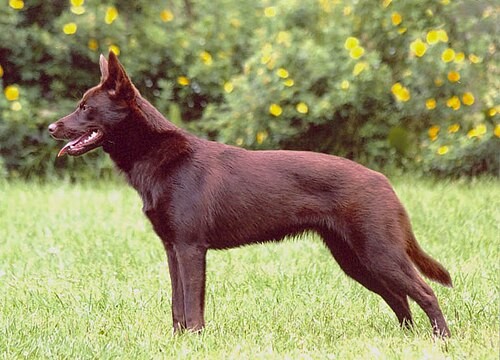
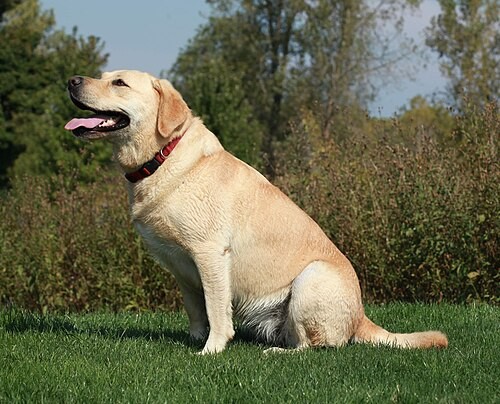
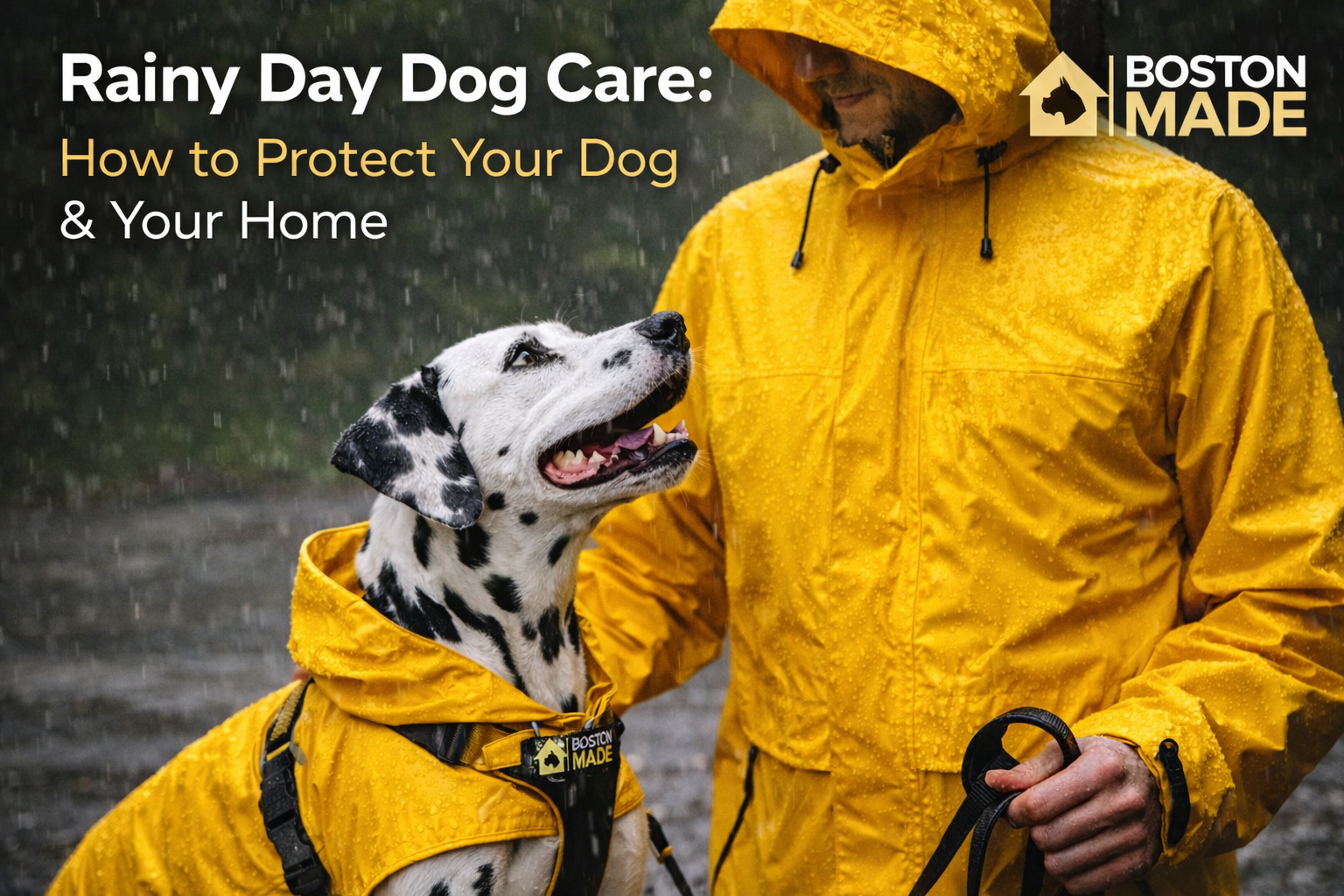
Winter walks can still be joyful, but temperature, wind, wet pavement, coat type, age, and health all matter. Small dogs, senior dogs, short-coated dogs, and puppies often need shorter outings and closer observation.
Use the three-minute walk check
- Check the air temperature and wind before leaving.
- Look at the route for ice melt, salt, and standing water.
- Start with a short loop and watch for shivering, lifting paws, slowing down, tucked posture, or repeated attempts to turn home.
Quick planning guide
Above 45°F: most healthy dogs can enjoy a normal walk with water and shade breaks as needed.
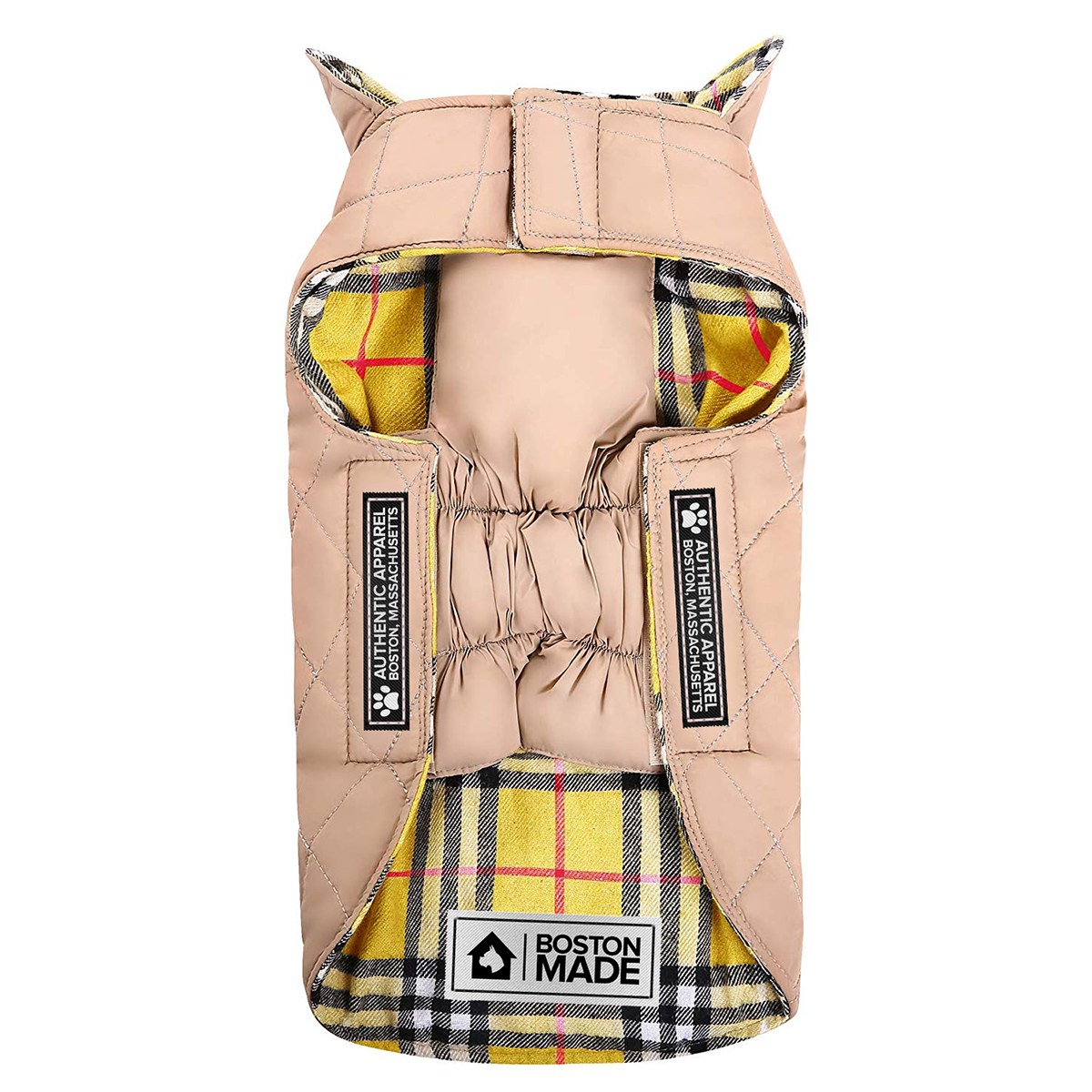
32–45°F: use a shorter first loop for small, senior, or short-coated dogs and consider a coat if your dog gets cold quickly.
Below freezing: favor several short walks, protect paws from salt and ice melt, and dry your dog thoroughly after returning home.
Resource: build your own Walk Check
Before leaving, note four inputs: temperature, your dog’s size, coat thickness, and whether the pavement is wet. The result should be a conservative walk length, a coat recommendation, and a reminder to wipe paws. This is a planning aid, not veterinary advice; contact your veterinarian if your dog has a medical condition or shows concerning symptoms.
After-walk checklist
Wipe paws and belly, check between the toes, offer water, and record anything unusual for the next walk. A simple routine makes cold-weather outings more predictable for both dog and owner.