

Not every dog jacket is built the same way.
Boston’s weather swings fast — 55 and sunny in the morning, raw and windy by evening. A jacket that actually works has to handle that swing, not just look good in a photo.
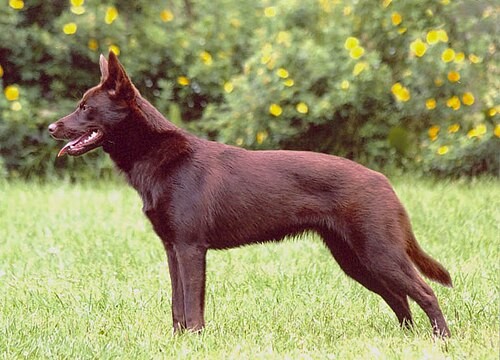
Start with coat type, not breed
Coat type, age, activity, and the conditions of the walk all matter. Some dogs may need more coverage; others may be comfortable without it. Watch your own dog in the actual weather rather than treating a breed label as a rule.
Fit matters more than style
A jacket that rides up, slips sideways, or binds at the shoulders will get shrugged off within a block. Measure chest girth and neck before you buy, and check for adjustable straps rather than a single fixed size.
Waterproof and warm are two different jobs
A jacket can be warm without being waterproof, and waterproof without being warm. Read the product details to see what the outer material and lining actually do. Choose weather protection for the conditions your dog will encounter, and do not assume a garment is waterproof unless the listing says so.
Leash access should not be an afterthought
Check how the jacket works with the harness or collar you already use. An access opening can help, but its position needs to line up with your gear; never rely on a decorative loop as a leash attachment without a clear load-bearing specification.
Let your dog break it in indoors first
Put a new jacket on for a few short indoor stretches before the first real walk. It gives your dog a chance to get used to the feel before it’s also dealing with wind, leash, and new smells all at once.
A simple buying sequence
Measure neck, chest, and back length; compare them with the garment chart; check material, care, and return details; then test the fit indoors. If the jacket shifts, rubs, or limits a normal walk, try another size or shape. Our wearable quality guide explains what to look for in seams, closures, and product information.
Browse the Boston Made Pets jacket collection with that checklist in hand. The best choice is the one that fits your dog and the walk you actually take.