

Thanksgiving may still be a few weeks off, but late October is a smart time to start thinking about how the holiday will affect your pets. Big meals, houseguests, travel and changes to the usual routine can bring stress and hazards. Planning ahead gives you time to make arrangements, practice behaviors and stock up on what you need.
Know the Holiday Food Hazards
Many traditional Thanksgiving dishes are not good for pets. Common concerns include:
- Cooked bones: Turkey bones can splinter and cause choking or injuries to the mouth and digestive tract.
- Fatty foods: Turkey skin, gravy and drippings may cause stomach upset and, in some dogs, may be associated with pancreatitis.
- Onions, garlic, leeks and chives: These are common in stuffing and side dishes and can be harmful to dogs and cats.
- Grapes and raisins: These can be toxic to dogs.
- Chocolate and xylitol: Found in many desserts and some sugar-free baked goods.
- Raw dough: Yeast dough can expand in the stomach and produce alcohol.
- Strings, foil and packaging: Meat-scented string and wrappers can be swallowed and cause blockages.
Plan now for how you will keep food and trash secured. A lidded, latching trash can or taking trash outside promptly can prevent a lot of trouble.
Think About Guests
If you are hosting, consider how your pets handle visitors. Some love the attention; others find crowds overwhelming. Decide in advance where your pet will spend the busiest part of the day. A quiet room with a bed, water, toys and a long-lasting chew often works well.
Let guests know your house rules about feeding pets. Well-meaning visitors may slip scraps under the table. Brief children, too.
Ask guests to watch doors as they come and go, and make sure your pet’s ID tags and microchip information are current.
Plan for Travel or Boarding
If you are traveling, now is the time to book. Boarding facilities and pet sitters can fill up around holidays. Ask facilities what vaccinations they require; some may need records showing particular vaccines given a certain number of days in advance. Check with your veterinarian early if anything is due.
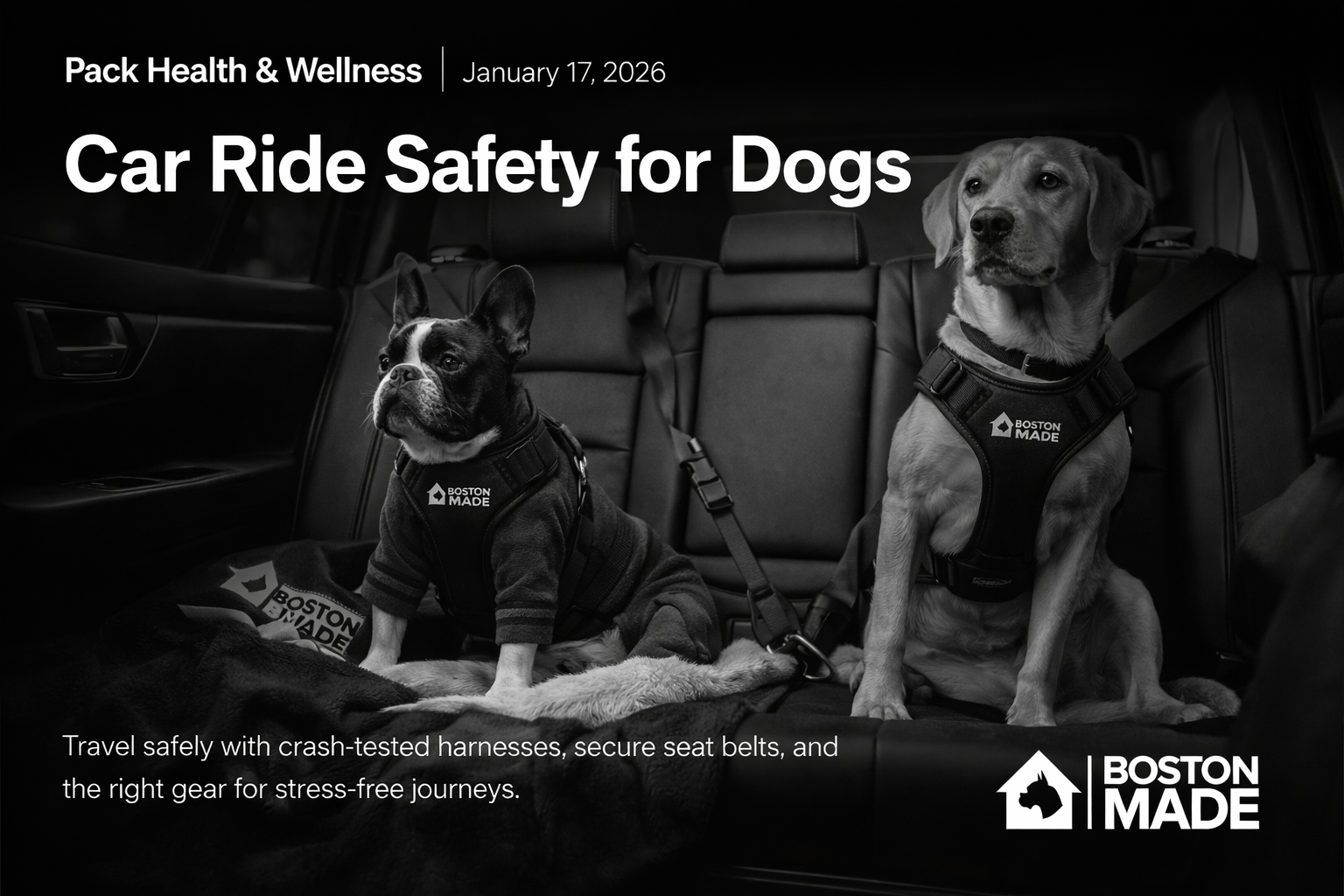
If your pet will travel with you, practice car rides, pack medications and records and research emergency veterinary hospitals near your destination.
Stock Up and Prepare
- Refill any prescription medications before the holiday
- Buy enough of your pet’s regular food, since stores may have limited hours
- Have pet-safe treats on hand so your pet can join the celebration safely
- Save the number of the nearest emergency animal hospital and confirm its holiday hours
- Keep poison control numbers handy, such as the ASPCA Animal Poison Control Center (888-426-4435)
Keep Routines Steady
Holidays disrupt schedules. Try to keep feeding times, walks and play as consistent as possible, which helps pets feel secure amid the excitement. If your pet becomes very anxious around holidays or visitors, talk to your veterinarian ahead of time about strategies that may help. A little planning now means you can enjoy the day knowing your pets are safe and comfortable.






