

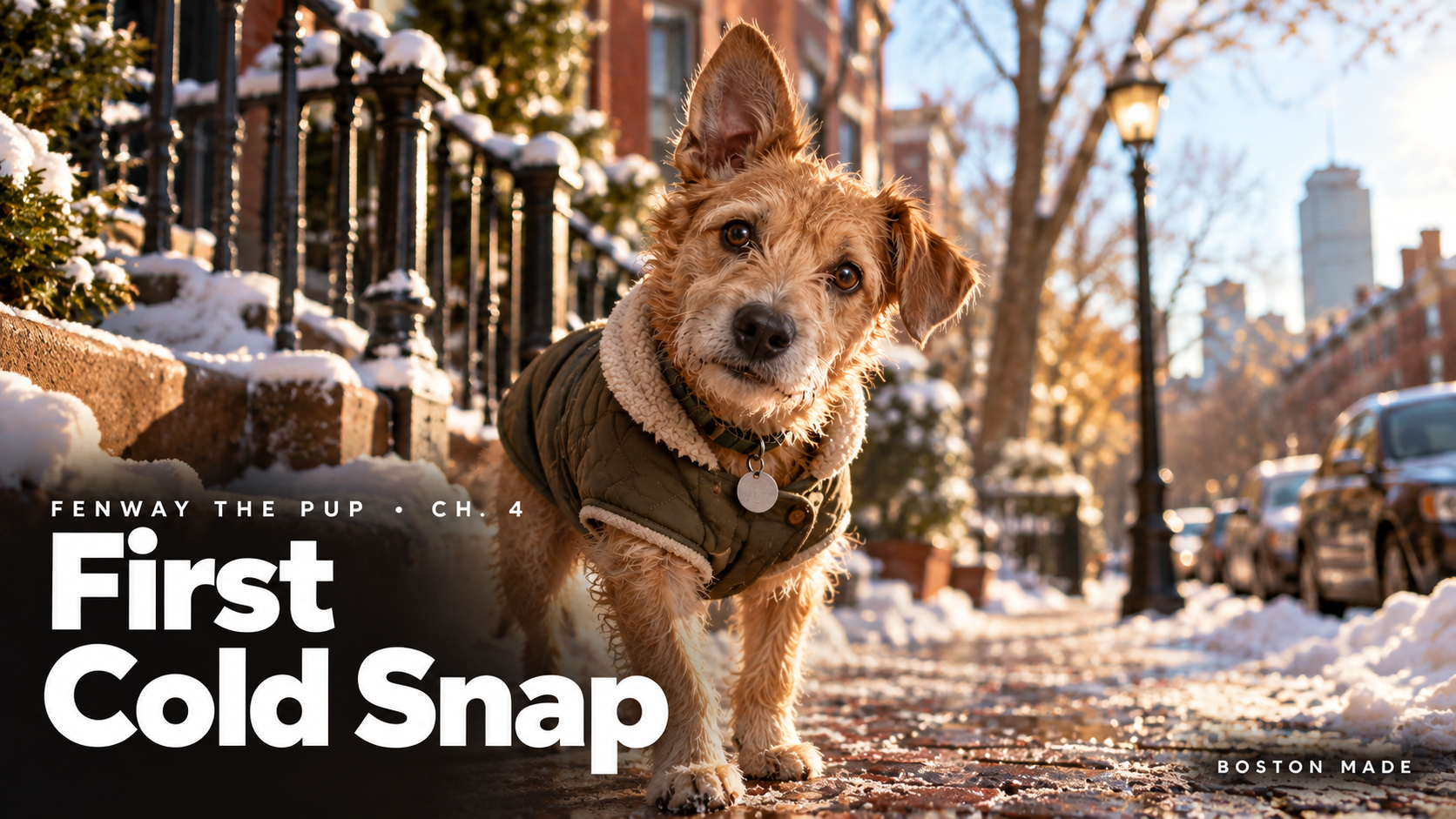
Pet costumes have become a big part of Halloween for many families. A dog dressed as a pumpkin or a cat in a tiny witch hat can make for a great photo. But not every pet enjoys being dressed up, and some costumes can create real hazards. Before you buy, think about your pet’s comfort first.
Does Your Pet Actually Want to Dress Up?
Many pets tolerate costumes; fewer truly enjoy them. Watch your pet’s body language when you introduce one. Signs of stress may include:
- Freezing in place or refusing to move
- Tail tucked, ears pinned back or a lowered body posture
- Lip licking, yawning or turning the head away
- Trying to back out of or chew the costume
- Hiding, growling, hissing or swatting
If your pet shows these signs, skip the full costume. A festive bandana or a seasonal collar is often a good compromise. Many cats in particular prefer no costume at all.
Choosing a Safer Costume
If your pet is comfortable with clothing, look for a costume that:
- Fits well without being tight around the neck, chest or legs
- Does not cover the eyes, ears, nose or mouth
- Allows your pet to walk, sit, lie down, breathe and go to the bathroom normally
- Has no small, dangling or easily chewed pieces such as buttons, bells, sequins or beads
- Is made of breathable material
- Includes reflective strips if your pet will be outside after dark
Avoid costumes with elastic bands that can cut off circulation or straps that could catch on furniture. Never leave a pet unsupervised in a costume.
Introduce It Gradually
Do not wait until Halloween night to try a costume for the first time. Introduce it a few days or weeks ahead. Let your pet sniff it, then place it on them briefly while offering treats and praise. Gradually increase the time. If your pet stays relaxed, great. If not, it is fine to give up the idea.
Hazards Beyond the Costume
Halloween brings other risks pet owners should keep in mind:
- Glow sticks and glow jewelry: The liquid inside is generally considered low in toxicity but tastes very bitter and can cause drooling and distress if chewed.
- Candles and jack-o’-lanterns: Wagging tails and curious cats can knock them over. Consider battery-operated lights.
- Decorations: Fake cobwebs, wires and small decorative items can be chewed or swallowed.
- Pet-safe face paint: Avoid using human makeup or dyes on pets.
Keep ID On
If your pet wears a costume, make sure it does not cover or replace their collar and ID tags. Doors open frequently on Halloween, and a frightened pet may bolt. Check that microchip information is up to date as well.
The best Halloween is one where your pet feels safe. Whether that means a full costume, a simple bandana or a quiet room away from the excitement, choose what is right for your animal. If your pet chews or swallows part of a costume or decoration, contact your veterinarian.






