

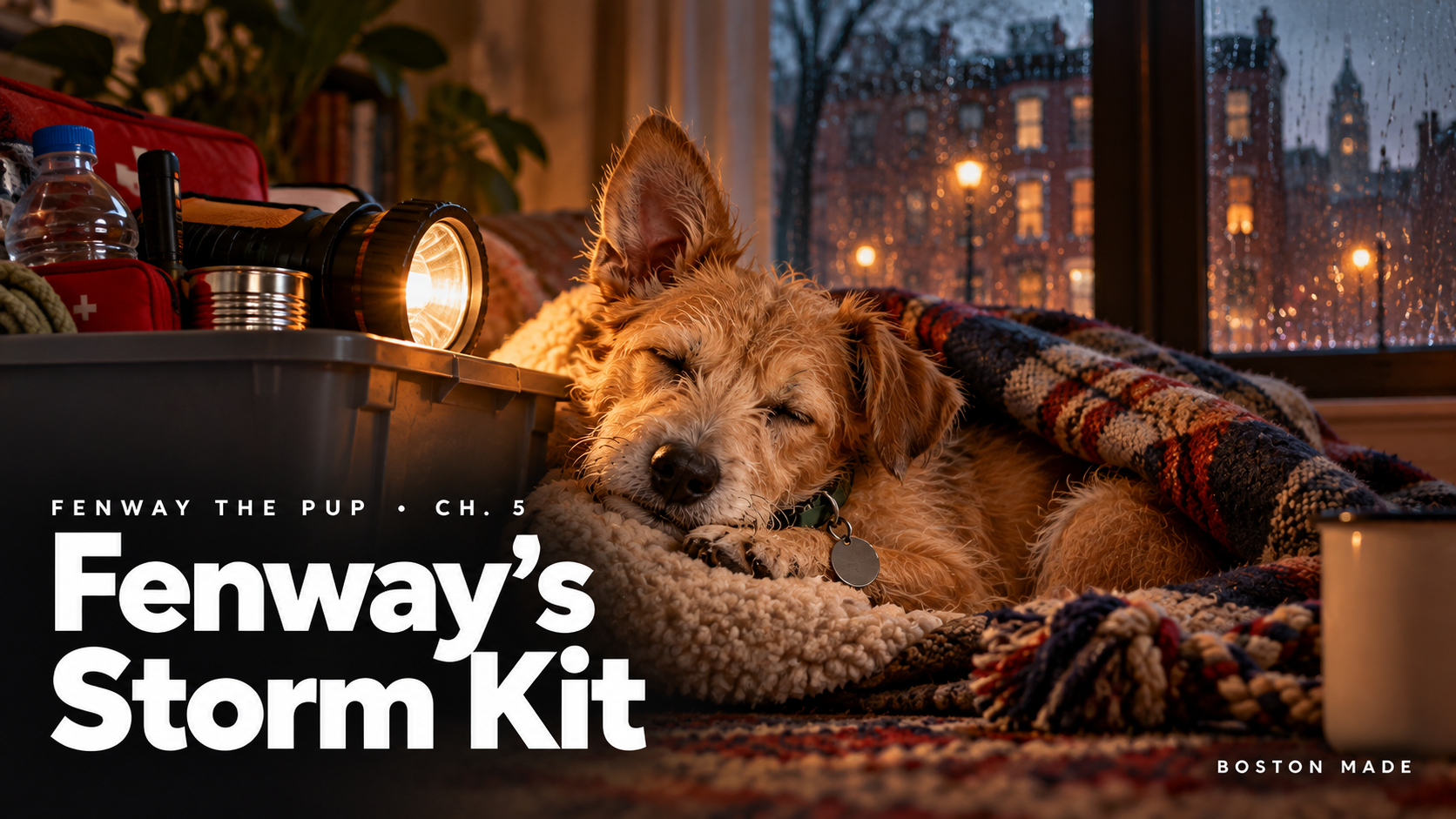
All summer long, many dogs enjoy a house full of people. Kids are home, schedules are loose and there is always someone to play with. Then August arrives, and the household suddenly empties out each morning. For some dogs, that change is no big deal. For others, it can bring confusion, boredom or stress. Starting the transition early makes it easier.
Shift the routine gradually
Dogs thrive on predictability. Rather than switching everything overnight on the first day of school, begin adjusting the household routine a week or two ahead:
- Move wake-up times, meals and walks toward the school-year schedule.
- Practice the morning rush, with everyone getting ready and heading out the door at the usual time.
- Start short departures, leaving the house for increasing stretches while your dog stays home.
- Keep goodbyes and hellos calm and low-key.
These rehearsals help your dog learn that people leave and always come back.
Fill the alone time
A dog who spent the summer playing with kids may suddenly have many quiet hours. Help your dog fill that time constructively:
- Give a good walk or play session before everyone leaves, so your dog is ready to rest.
- Offer a food puzzle, a stuffed chew toy or a snuffle mat as people head out.
- Set up a comfortable resting spot with water and a favorite bed.
- Some dogs like background sound, such as a radio or white noise, though this varies.
- Rotate toys so there is always something new to investigate.
For long workdays, a midday walk from a family member, neighbor, dog walker or a day at a well-run daycare may help, depending on your dog’s age and needs.
Watch how your dog adjusts
Some dogs settle quickly. Others may show mild changes, like moping, sleeping more or waiting by the door. Signs that your dog may be struggling include destructive chewing, persistent barking or howling, accidents in the house, pacing or not eating while alone. These can point to boredom, frustration or separation-related distress.
A camera or a short recording of your dog while you are away can be helpful. It shows how your dog really spends the day and gives your veterinarian or trainer useful information.
Involve the kids
Back-to-school season is a great time to give children age-appropriate pet chores, like refilling the water bowl, helping with the after-school walk or practicing a training cue. A short after-school play session gives the dog something to look forward to and helps kids stay connected to the family pet during a busy season.
Remind kids to keep backpacks, lunchboxes and school supplies zipped and off the floor, since curious dogs may go looking for leftover snacks.
When to ask for help
If your dog shows signs of real distress when left alone, talk to your veterinarian. They can check for medical causes and recommend a qualified trainer or veterinary behaviorist. With patience, most dogs adapt to the new rhythm of the school year.






